
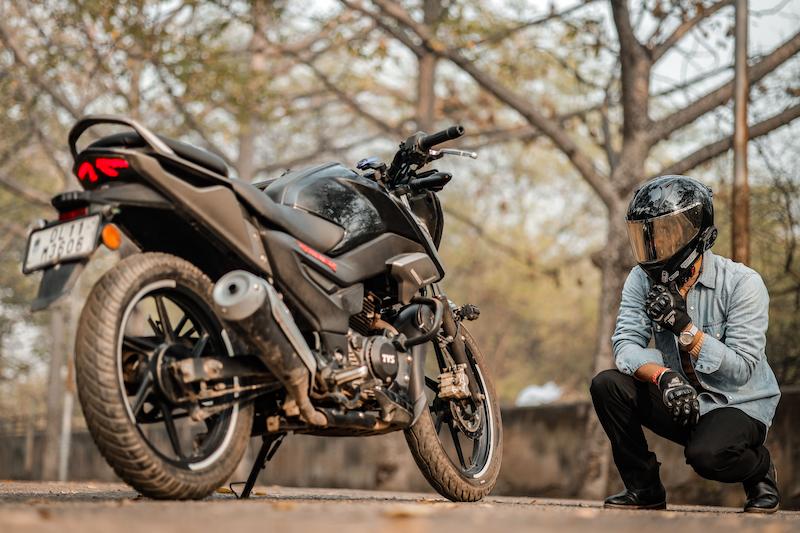
A weekend ride through the hills and a long journey across several states need different preparation. You may have planned your stops, checked the weather and packed your riding gear. Your policy needs a check too.
A policy that works for daily commuting may still suit a longer trip, but it is worth checking what it actually offers before you leave. The point is not to buy every available feature. It is to understand the risks that come with your route.
Match Your Cover to the Journey
Start with the motorcycle itself. If an accident damages your bike far from home, repairs may involve unfamiliar workshops and travel delays. This is where having suitable bike insurance becomes important. A comprehensive policy can cover eligible damage caused by accidents, theft, fire and natural events, along with third-party liabilities.
If you already have an active third-party policy, you can explore standalone own damage cover instead. Check the insured declared value, which is relevant when the motorcycle is stolen or treated as a total loss.
Check Whether Your Route Fits the Policy
Adventure riding can mean mountain highways, village roads or trails away from regular traffic. These are not automatically treated alike under insurance terms. Look for the section describing permitted vehicle use.
Ordinary road touring is different from racing, organised speed events or riding in areas where your policy does not apply. If your itinerary includes rough trails or river crossings, ask the insurer what is covered. Get clarification before the trip, preferably in writing.
Know What the Law Requires
In India, third-party insurance for bike owners is a legal requirement when riding on public roads. It covers your legal liability if an accident involving your motorcycle causes injury to another person or damage to their property. However, it does not cover repairs to your own motorcycle.
Before starting a long journey, check that your policy remains valid throughout the trip. Keep a digital copy of your insurance documents saved on your phone so you can access them when needed, even in areas with limited internet connectivity.
Consider Assistance beyond Accident Repairs
Useful extras depend on where you ride and what your policy already provides.
Support on Remote Roads
- Roadside assistance: Check whether towing, flat tyre help and breakdown services extend to your planned locations.
Help with Repair Costs
- Engine protection: Ask whether an available add-on addresses specified engine damage following water entry or accidental oil leakage.
- Zero depreciation: Check whether this option reduces depreciation deductions on eligible replacement parts.
- Accessories: Declare eligible fitted accessories when required. Do not assume luggage or riding equipment is included.
Read the limits and conditions for each option. A service listed in a brochure may operate differently in remote areas.
Prepare for Problems before They Happen
Save your insurer’s claim number, emergency contacts and the details of someone at home who knows your route. Carry your driving licence, registration certificate and insurance details in an accessible format. If there is an accident, attend to everyone’s safety first.
Seek medical help where needed, then contact the appropriate authorities and your insurer. Photographs of the scene and damage may help document the incident, provided taking them is safe. Follow the insurer’s instructions before arranging major repairs.
Final Thoughts
Adventure rides take you through different roads, weather conditions and unfamiliar places. Having suitable insurance can help you manage certain unexpected situations along the way.
Before leaving, check your policy coverage, available add-ons and claim process. A little preparation can help you travel with greater confidence and focus on enjoying the journey.